
Fullscreen
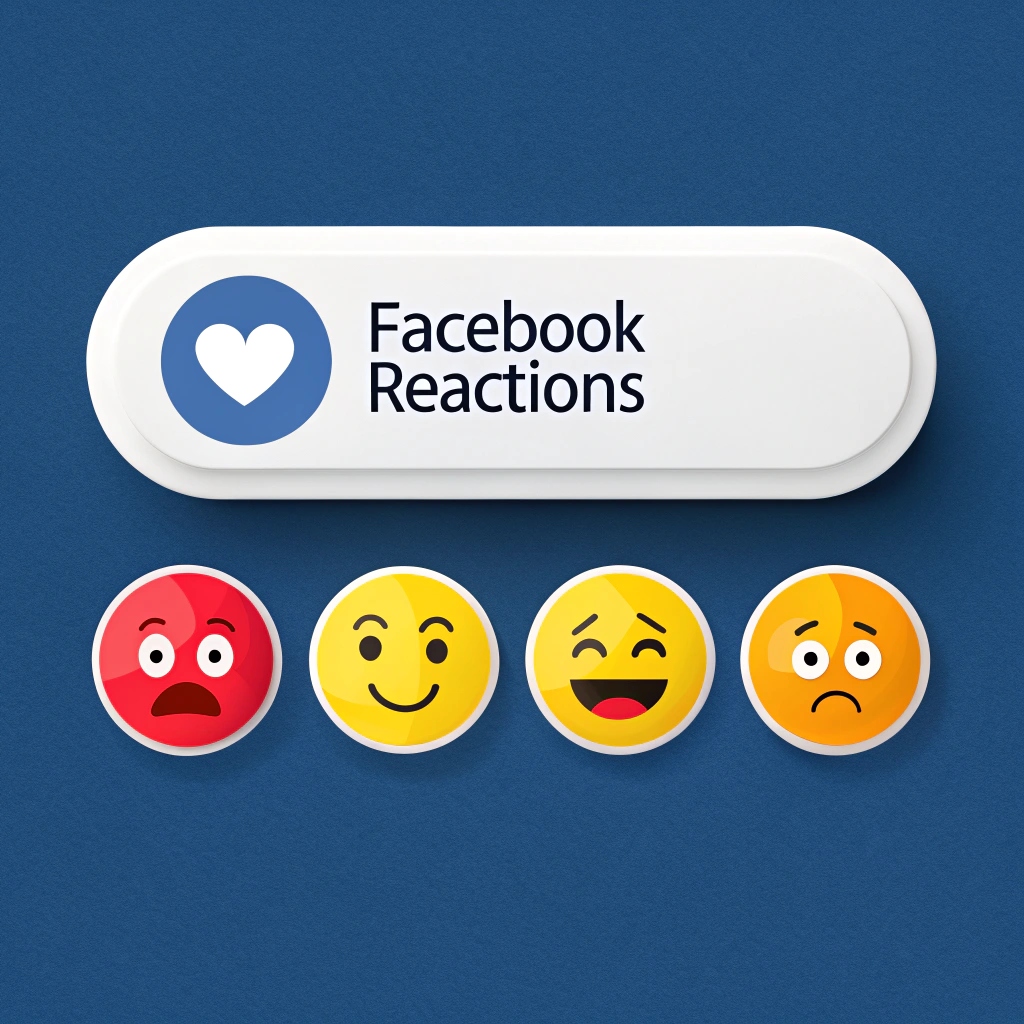
Facebook Post Reaction
Price range: 50.00৳ through 400.00৳
✅ 100% Satisfaction Guaranteed
✅ Manual and Non Drop Services
✅ No need any admin access or password
✅ No Fake Bots Guarantee
✅ 1-15 Days to Complete
✅ 16/7 Customer Support
Description
In today’s social media world, people want to express their emotions in more ways than just a simple “Like.” Understanding this need, Facebook introduced Reactions, giving users a set of emotional responses that go beyond the traditional thumbs-up. These Reactions have become a universal digital language for expressing feelings online.
⭐ Types of Facebook Reactions
Currently, Facebook offers several Reactions:
👍 Like – To show general support or agreement.
❤️ Love – To express deep affection, admiration, or appreciation.
😂 Haha – For funny or entertaining content.
😮 Wow – For surprising, shocking, or impressive content.
😢 Sad – To show sympathy, sorrow, or compassion.
😡 Angry – To express frustration, disagreement, or anger.
🥰 (sometimes included in updates) – To express warm, affectionate feelings.
📊 Why Reactions Matter
Measure Engagement – Reactions help measure audience interaction more deeply than just “Likes.”
Understand Audience Sentiment – Whether a post receives more “Love” or “Angry,” it shows how people truly feel about the content.
Business Insights – For brands, Reactions act as feedback, making it easier to understand customer opinions about products, services, or campaigns.
Emotional Connection – Users can now express themselves more personally, creating stronger connections between people and content.
🎯 User Experience
Since the launch of Reactions, Facebook has become more interactive and personalized. A post is no longer judged by likes alone—now, the type of Reaction also carries weight in understanding the audience’s response.
🏆 Conclusion
Facebook Reactions are more than just emojis. They are powerful tools of digital communication that reflect emotions, opinions, and moods. Whether it’s a personal post or branded content, Reactions play a vital role in measuring engagement and building connections in the digital world.
Additional information
Choose Packages
300 Post Reactions (BD), 500 Post Reactions (BD), 1k Post Reactions (BD), 300 Post Reactions (Worldwide), 500 Post Reactions (Worldwide), 1K Post Reactions (Worldwide)
Reviews
RelatedRelated products
-
-40%

Facebook Reels View
Price range: 210.00৳ through 800.00৳✅ No fake Bot
✅ 100% Facebook Server views
✅ Almost Non Drop
✅ Drop ratio 5-10%Select options This product has multiple variants. The options may be chosen on the product page -
-50%

Facebook Watchtime
Price range: 300.00৳ through 500.00৳✅ Real & Organic Viewers
✅ Not use bot or Automation Software
✅ Single Device views per users Guarantee
✅ Monetization Friendly
✅ Following Facebook Algorithms
✅ 100% Trusted & SecureSelect options This product has multiple variants. The options may be chosen on the product page -
-33%

Facebook Page Reviews
Price range: 50.00৳ through 300.00৳Select options This product has multiple variants. The options may be chosen on the product page -
-20%

Facebook Followers
Price range: 280.00৳ through 2,770.00৳✅ 100% Satisfaction Guaranteed
✅ Manual and Non Drop Services
✅ No need any admin access or password
✅ No Fake Bots Guarantee
✅ 16/7 Customer SupportNote: Do not change the page or profile link/username until the order is completed. If you do, the order will be marked as completed without any action.
Select options This product has multiple variants. The options may be chosen on the product page
Reviews
There are no reviews yet.